Table of Contents
Femi Falana is a Nigerian human-rights lawyer and Senior Advocate of Nigeria (SAN) best known for decades of public-interest litigation, civil-liberties advocacy and his fearless defence of journalists, protesters and oppressed citizens. He is also widely known as the father of musician Falz.
Key Facts
- Born 20 May 1958 in Ilawe-Ekiti, Ekiti State, Nigeria.
- Called to the Nigerian Bar in 1982 and later conferred Senior Advocate of Nigeria (SAN) in 2012.
- Principal partner at Falana & Falana’s Chambers and a former president of the West African Bar Association.
- Father of Nigerian rapper and actor Falz (Folarin Falana).
| Profile Snapshot | |
|---|---|
| Full Name | Femi Falana |
| Known As | Femi Falana (SAN) |
| Date of Birth | 1958-05-20 |
| Age | 68 |
| Place of Birth | Ilawe-Ekiti, Ekiti State, Nigeria |
| Nationality | 🇳🇬 Nigerian |
| Occupation | Lawyer, human-rights activist |
| Education | University of Ife (now Obafemi Awolowo University), LL.B |
| Best Known For | Human-rights law and public-interest litigation |
| Net Worth | Not publicly disclosed |
Femi Falana: Early Life and Education
Femi Falana was born on 20 May 1958 in Ilawe-Ekiti, in present-day Ekiti State, south-western Nigeria.
He attended St. Michael’s School and later studied at the Sacred Heart Catholic Seminary in the early 1970s before turning to the study of law.
He earned his Bachelor of Laws degree from the University of Ife, now Obafemi Awolowo University, and proceeded to the Nigerian Law School. He was called to the Nigerian Bar in 1982.
Femi Falana came of age during a period of student activism and political ferment in Nigeria, and that environment shaped his early interest in justice, civil liberties and the law as a tool for social change.
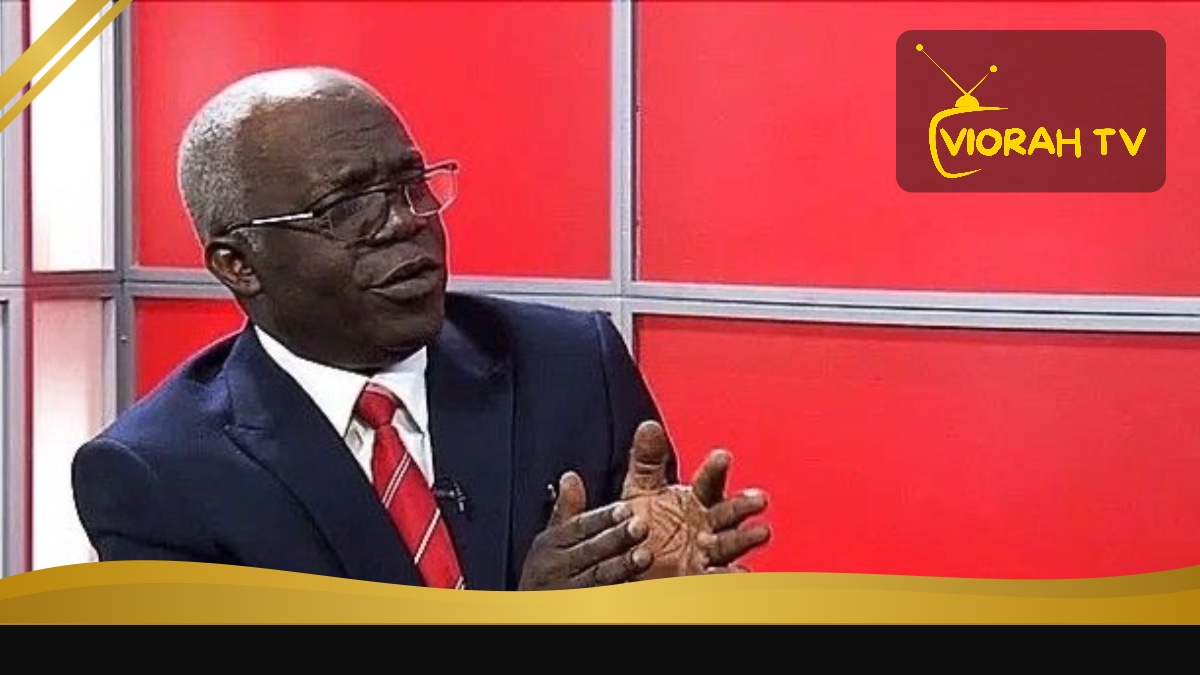
Legal Career and Rise to SAN
After his call to the Bar, Femi Falana built a practice focused on constitutional law, human rights and public-interest litigation, areas that would define his entire career.
He is the principal partner at Falana & Falana’s Chambers, a firm he runs with his wife, the women’s-rights lawyer Funmi Falana, with offices in Lagos, Abuja and Ado-Ekiti.
In recognition of his standing in the profession, he was conferred the rank of Senior Advocate of Nigeria (SAN) in 2012, one of the highest honours a Nigerian lawyer can attain.
He is a member of professional bodies including the Nigerian Bar Association, the International Bar Association and the Pan-African Lawyers Union, and is a Fellow of the Nigerian Institute of Chartered Arbitrators. Over the decades he has become one of the most frequently consulted senior lawyers on questions of constitutional and human-rights law in Nigeria.
Femi Falana’s Human-Rights Activism and Landmark Cases
Femi Falana is regarded as one of Nigeria’s most prominent human-rights lawyers, with a record stretching back to the military era when he frequently challenged detentions and rights abuses in court.
He served as president of the Committee for the Defence of Human Rights in the late 1990s, a period when activist lawyers played a central role in pushing back against authoritarian rule. Through that work he became closely associated with the broader pro-democracy movement that campaigned for a return to civilian government.
Over the years he has taken up cases involving press freedom, the rights of detainees and protesters, and questions of governance and accountability. He has litigated not only in Nigerian courts but also before the ECOWAS Community Court of Justice, the regional court that hears human-rights complaints from West African citizens.
Much of his reputation rests on public-interest litigation, a style of advocacy in which a lawyer brings cases not for personal gain but to test laws, defend constitutional rights or hold institutions to account. Femi Falana has used that approach to push for transparency and to challenge what he regards as abuses of state power.
His advocacy has earned international recognition, including the International Bar Association’s Bernard Simons Memorial Award for his human-rights work.
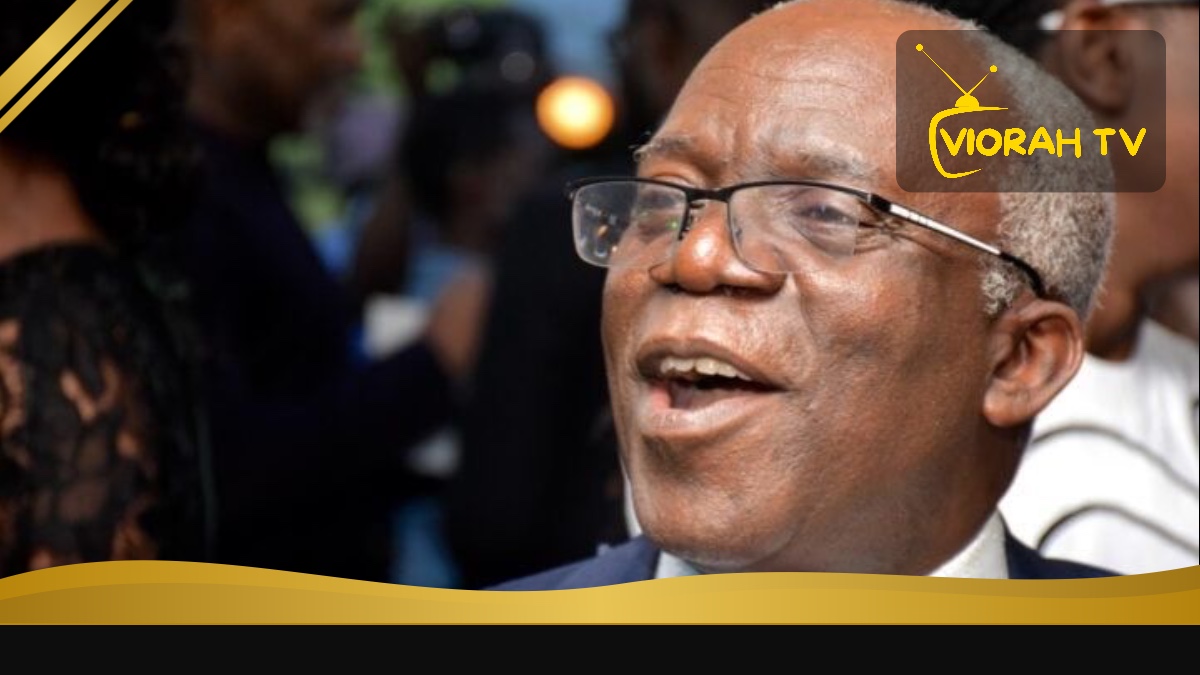
Public Life and Advocacy
Beyond the courtroom, Femi Falana has held leadership roles in the legal community across the region. He served as secretary-general of the African Bar Association and as president of the West African Bar Association.
He is also active in pan-African and international legal bodies, and is frequently quoted in the Nigerian media offering legal analysis on rights, governance and constitutional questions.
He has engaged in politics as well, contesting the 2007 Ekiti State governorship election on the platform of the National Conscience Party, a party he later chaired. Though he did not win, the campaign reflected his long-held belief that the courts and the ballot box are both legitimate routes to reform.
Femi Falana remains a familiar voice in Nigerian public debate, regularly issuing legal opinions on rights, elections and the conduct of government, and lending his name to civic causes across the country and the wider region.
Personal Life and Family
Femi Falana is married to Funmi Falana, herself a lawyer and women’s-rights advocate, and the couple practise law together.
He is the father of Folarin Falana, the award-winning rapper, singer, comedian and actor widely known as Falz, who is himself a trained lawyer. The family is one of Nigeria’s most recognisable in the worlds of law and entertainment.
Despite his high public profile, Femi Falana tends to keep the personal details of his family life out of the spotlight, focusing his public presence on his legal practice and advocacy rather than on his private affairs.
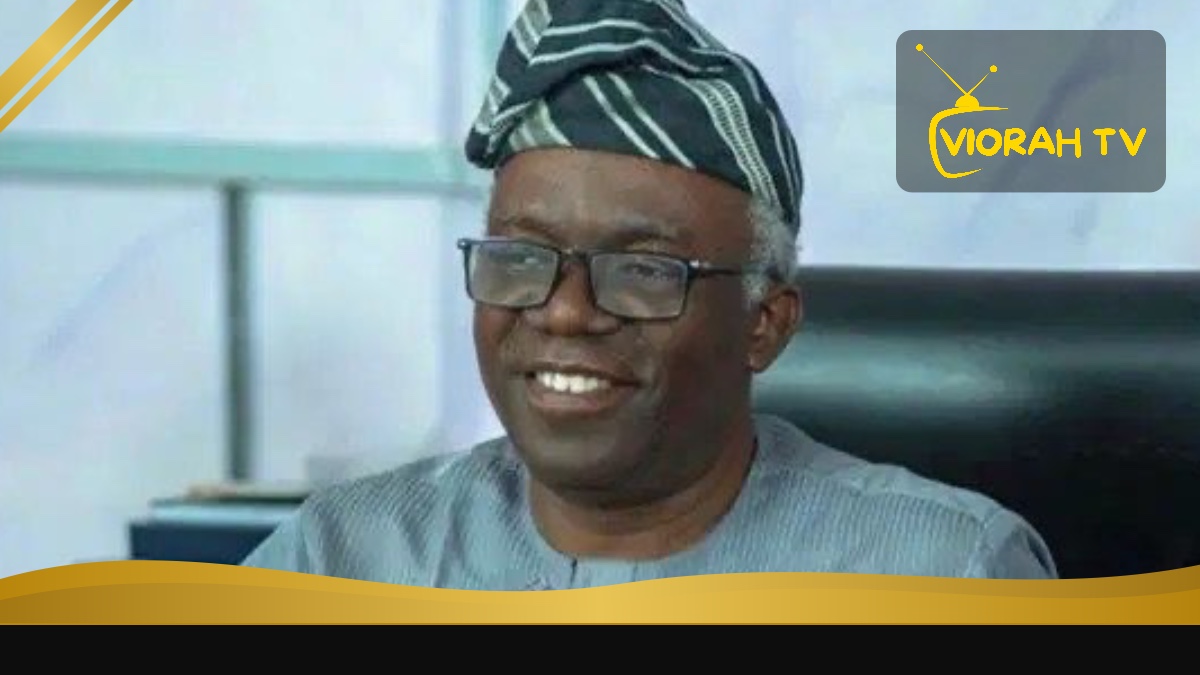
Femi Falana’s Net Worth
There is no reliably documented or independently verified figure for Femi Falana’s net worth. The numbers that circulate on net-worth websites are speculative and unsourced.
He is an established senior lawyer with a long-running practice, but his personal finances are not a matter of public record. Viorah TV does not publish an unconfirmed net-worth figure.
Across the military era and the democratic years that followed, Femi Falana turned the courtroom into a frontline for human rights in Nigeria.
— Viorah TV
Controversies
As a prominent activist lawyer who frequently challenges governments and powerful interests, Femi Falana is at times a polarising figure. His legal positions and public statements draw strong reactions both for and against him, and some of the matters he takes up are contested or remain unresolved in court.
None of this involves any proven wrongdoing on his part, and he defends his positions publicly. Viorah TV reports these matters only as public record, attributing views to their sources and taking no position.
As is common with senior advocates who handle high-profile cases, Femi Falana’s interventions in politically sensitive disputes have sometimes been criticised by those on the opposing side, while supporters credit him with defending rights others were reluctant to take on. Where claims are disputed or cases are still before the courts, they should be treated as unresolved.
Frequently Asked Questions
Who is Femi Falana?
He is a Nigerian human-rights lawyer and Senior Advocate of Nigeria (SAN), known for decades of public-interest litigation and civil-liberties advocacy.
When and where was Femi Falana born?
He was born on 20 May 1958 in Ilawe-Ekiti, in present-day Ekiti State, Nigeria.
When did Femi Falana become a SAN?
He was conferred the rank of Senior Advocate of Nigeria in 2012, having been called to the Nigerian Bar in 1982.
Is Femi Falana the father of Falz?
Yes. He is the father of Folarin Falana, the rapper, comedian and actor popularly known as Falz.
What is Femi Falana’s net worth?
There is no reliably documented or verified figure. Estimates online are speculative and unconfirmed.
Conclusion
Femi Falana has spent more than four decades as one of Nigeria’s most persistent voices for human rights and the rule of law. From challenging abuses under military rule to litigating rights cases in Nigerian and regional courts, he has built a reputation as a fearless public-interest lawyer. Alongside his wife Funmi and son Falz, he remains a significant figure in Nigerian public life.



 is a Nigerian human-rights lawyer and activist. Read his biography, education, legal career, landmark cases and net worth questions.)