Very few comedians get everyone talking the way Dave Chappelle does: fans, critics, group chats, and people who “don’t even watch comedy but somehow have strong opinions.”
Since his debut on Chappelle’s Show, he has consistently demonstrated his sharpness, fearlessness, and dedication to risk-taking.
Love him, hate him, or hate-watch him, one thing’s guaranteed: people pay attention when he grabs a mic.
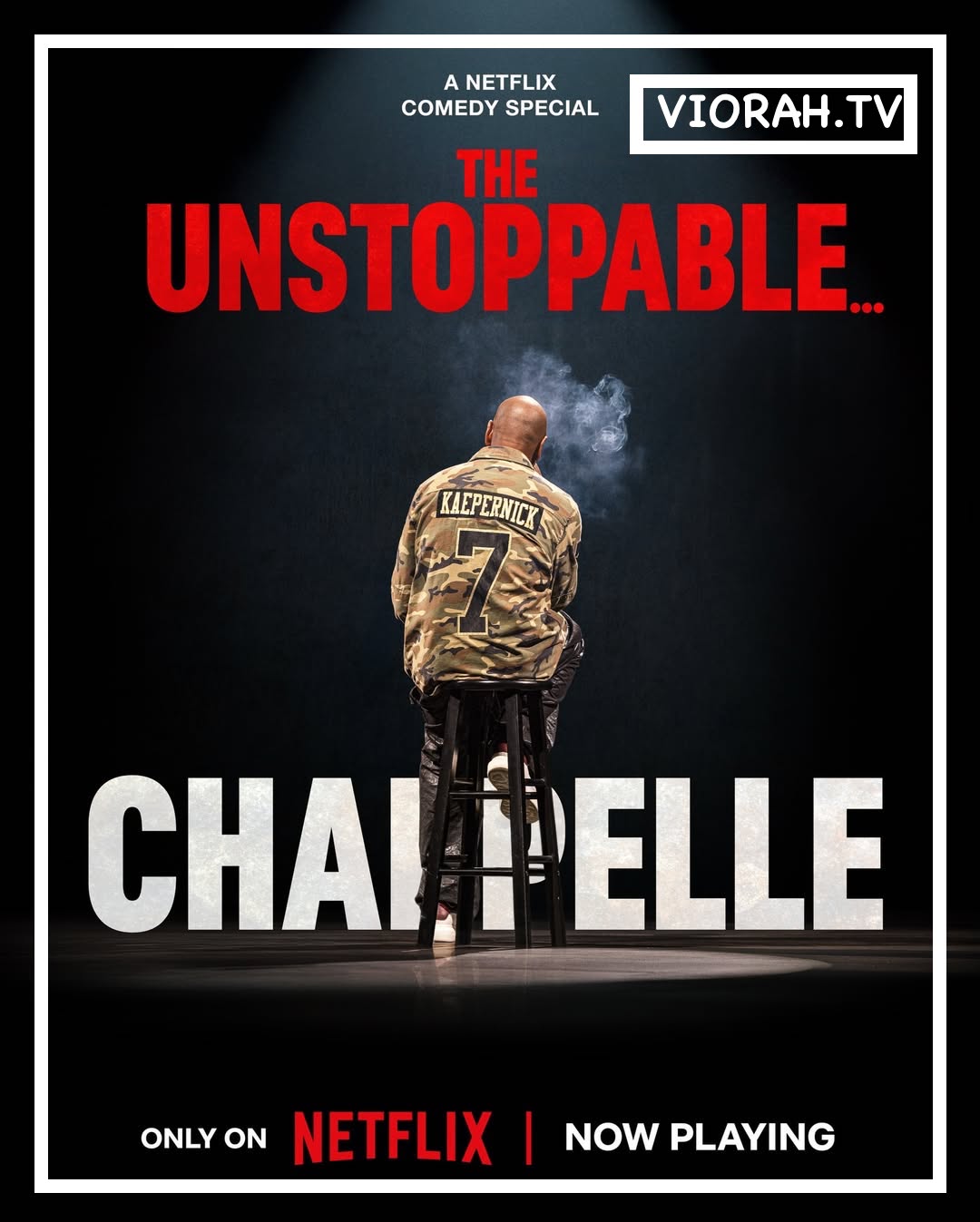
With his latest Netflix special, The Unstoppable, Chappelle does exactly what you’d expect: walks straight into the cultural storm, microphone in hand, and says whatever’s on his mind.
This post breaks down the moment, the material, and why this special is already lighting up conversations everywhere, from social media to the dinner table.
Setting the Stage: Chappelle and Netflix
Chappelle and Netflix have built one of the most talked-about partnerships in modern comedy.
Specials like The Age of Spin, Equanimity, The Bird Revelation, and Sticks & Stones didn’t just entertain—they sparked debates that spilled far beyond comedy clubs.
The Unstoppable continues that run, landing at a time when everything feels louder, faster, and more divided than ever.
Netflix has stood by Chappelle even when the backlash got intense. That alone says a lot.
Their continued collaboration feels less like a business deal and more like a bet on the idea that comedy should still be allowed to challenge people.
Whether you see The Unstoppable as brilliant or frustrating, it’s clearly meant to be more than background noise.
A Masterclass in Stand-Up: Chappelle’s Signature Style
In the opening moments, Chappelle looks completely at ease. There is no elaborate setup, no distractions; just him, a microphone, and complete control over the room.
His delivery feels casual, almost offhand, but every pause and punchline is calculated. He slides effortlessly from jokes that make the room erupt to moments that feel uncomfortably quiet.
The setting is intentionally simple. The setting is intentionally simple, featuring low lighting, a close crowd, and no gimmicks.
It feels intimate, like you’re overhearing a conversation you’re not supposed to be part of. That closeness is part of the experience, it pulls you in and makes the laughs (and the tension) hit harder.
Themes and Topics: Chappelle’s Fearless Exploration
What really defines The Unstoppable is Chappelle’s refusal to avoid the things people argue about most. He leans into them.
Cancel Culture and Free Speech:
Chappelle knows the spotlight is on him, and he doesn’t pretend otherwise. He talks openly about being criticized, questioned, and “canceled,” and asks who actually gets to decide what’s off-limits. He frames comedians as people who poke at society’s soft spots—not to destroy them, but to see what’s really there.
Race and Identity:
This has always been Chappelle’s wheelhouse, and it still is. He shares personal stories about race in America, parenting in a tense social climate, and the exhaustion that comes with having the same conversations over and over. The humor is sharp, but there’s real weight underneath it.
Mental Health and Personal Struggles:
Some of the most memorable moments are also the quietest. Chappelle discusses the mental toll of constant scrutiny, isolation, and pressure. It’s honest in a way that feels unpolished—and that’s precisely why it works.
Society and Technology:
He takes aim at how online life has warped human interaction. We’re all connected, yet somehow more divided and frustrated than ever. Chappelle challenges the notion that constant access equates to understanding.
The State of Comedy:
Chappelle reflects on what it even means to be a comedian right now. Where are the lines? Who draws them? And what happens if comedy stops taking risks? He doesn’t give neat answers—he just invites the audience into the tension.
Moments That Resonated: Unforgettable Segments
Already, clips and debates from The Unstoppable are widely circulated online.
Chappelle on Social Media:
One standout moment compares social media to a never-ending argument in the loudest town square imaginable. It’s funny because it’s painfully accurate.
Stories from the Road:
Chappelle’s road stories bring unexpected warmth. They’re reminders that outside the internet bubble, people are often more complicated and more decent than we assume.
A Tribute to Comedy Legends:
He takes time to acknowledge the comedians who paved the way, calling out legends like Richard Pryor, George Carlin, and Joan Rivers. It feels less like name-dropping and more like gratitude.
Critical Reception: Praise and Pushback
No surprise here, reaction to The Unstoppable has been intense.
Praise for Honesty and Bravery:
Supporters say this is Chappelle at his best: unfiltered, thoughtful, and unwilling to fake politeness. They admire his ability to mix uncomfortable truths with real laughs.
Controversy and Criticism:
Others argue that some jokes cross lines, especially around gender and sexuality. Critics say intent doesn’t erase impact, while fans counter that discomfort is the point.
The debate around the special mirrors the larger argument about comedy itself. Is comedy supposed to challenge us or protect us? Chappelle doesn’t settle the argument; he throws fuel on it.
The Audience Experience: Laughter and Reflection
What’s clear is that people aren’t walking away indifferent. Reactions range from standing ovations to outright anger.
Many viewers describe laughing hard, then sitting quietly, then laughing again, sometimes at themselves.
That emotional whiplash is part of Chappelle’s power. He doesn’t just aim for laughs; he wants people thinking long after the special ends.
Chappelle’s Legacy: The Unstoppable Force
With The Unstoppable, Chappelle reinforces his place as one of comedy’s most influential figures.
He’s willing to be misunderstood, criticized, and challenged, and he seems fine with that. That willingness is precisely what makes his work resonate.
His influence stretches far beyond Netflix. Younger comedians study his approach. His specials show up in classrooms, podcasts, and endless debates. Whether people agree with him or not, he shapes the conversation.
Why “The Unstoppable” Matters
Right now, it feels like everyone is talking past each other. Politics, identity, and culture, it’s all a mess. The Unstoppable drops right into that chaos and refuses to whisper.
For Netflix, it’s a statement about creative freedom. It’s evidence that comedy is still a viable art form. And for audiences, it’s an invitation to sit with discomfort instead of instantly reacting.
Final Thoughts: The Power of Comedy to Change the World
By the time The Unstoppable ends, you’re left with more than jokes. You’re left thinking, maybe arguing, maybe questioning yourself, maybe replaying certain lines in your head.
Chappelle isn’t asking for agreement. He’s asking for attention, honesty, and a little patience. In a world built on instant reactions, that alone feels radical.
Conclusion: The Unstoppable Legacy
The Unstoppable isn’t just another stand-up special; it’s a whole event. Dave Chappelle walks onstage, holds up a very honest mirror, and basically says, “Alright, your move.” You don’t have to laugh at every joke to understand why people are talking about it.
Watching it isn’t just about comedy; it’s signing up for a much bigger conversation about art, free speech, and where society might be heading (whether it’s ready or not).
Whether you end it laughing, irritated, or silently staring at the wall, it’s clear that Chappelle won’t be slowing down anytime soon.
If you haven’t seen The Unstoppable yet, be prepared to laugh, cringe, think, and probably feel a little uncomfortable. That’s not a side effect; that’s the feature.


