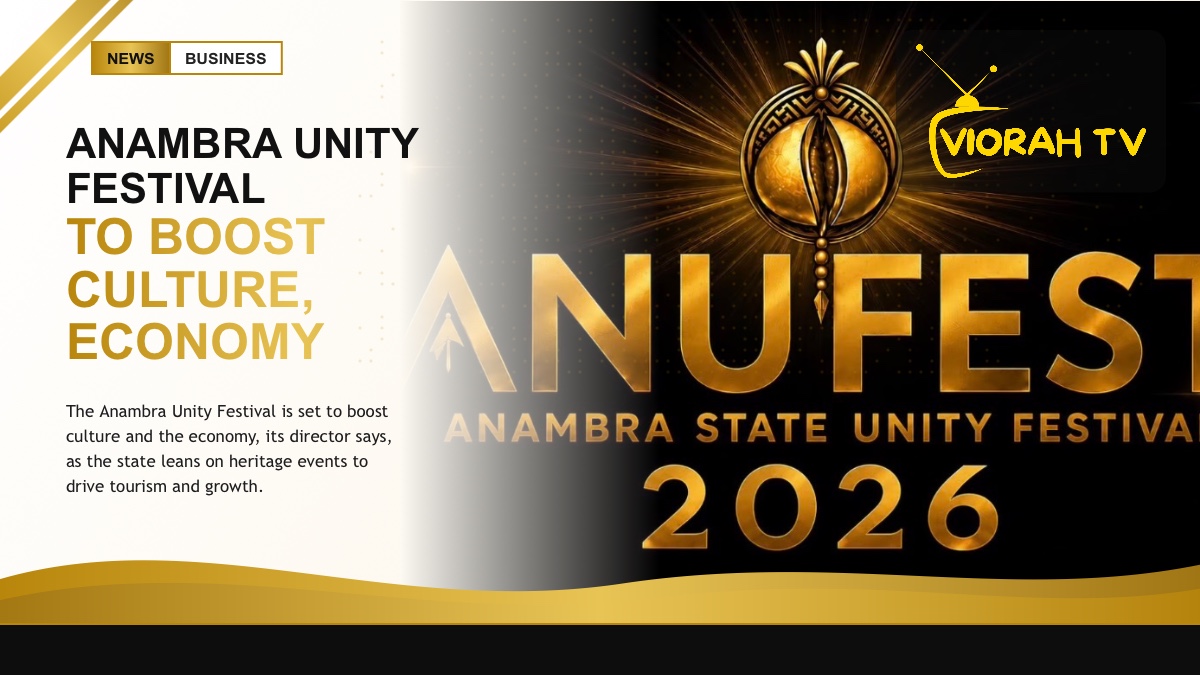
The Anambra Unity Festival is set to boost culture and the economy, according to its director, as the south-eastern state leans on heritage events to attract visitors and stimulate growth. The Anambra Unity Festival is being positioned as a celebration of identity and a platform for economic activity, tying tradition to tourism and trade.
What the Anambra Unity Festival aims to do
The festival’s organisers say the event is designed to promote unity, showcase culture and open up economic opportunities around it. Cultural festivals can draw crowds, support local vendors and craftspeople, and put a spotlight on a state’s heritage. By framing the gathering around both culture and the economy, the directorate signals an intent to turn celebration into tangible local benefit.
Culture as an economic driver
Across Nigeria, states increasingly treat festivals as more than entertainment, viewing them as engines for tourism, hospitality and small business. Visitors spend on transport, food, lodging and crafts, spreading income through host communities. Anambra, with a rich Igbo cultural heritage, is among the states seeking to harness that potential and build a stronger identity as a destination for cultural tourism.
Community and identity
Beyond the economics, festivals like this one help preserve traditions, pass heritage to younger generations and strengthen a sense of belonging. Music, dance, food and storytelling form part of the experience, connecting residents to their roots. Organisers often emphasise unity precisely because such events can bring diverse communities together around shared culture and pride.
Why it matters
For a state seeking growth beyond traditional sectors, cultural tourism offers a path that builds on what is already there. Success, however, depends on planning, security and sustained investment so that one-off events become reliable draws. If managed well, festivals can put a state on the tourism map and create lasting opportunities for its people.
Festivals as a development strategy
Across Nigeria, cultural festivals have increasingly been embraced as tools for economic development, drawing visitors who spend on transport, lodging, food and crafts. Well-known events in various states have shown how heritage and celebration can translate into tourism revenue and a stronger sense of identity, putting host communities on the map. The model relies on more than a single event, however; sustained success depends on planning, marketing, security and infrastructure that can welcome visitors reliably year after year. For a state like Anambra, with deep Igbo cultural roots, a festival framed around unity and economic opportunity fits a broader push to diversify beyond traditional sources of income and to position the area as a destination. Such events can also support small businesses, create temporary jobs and showcase local talent in music, dance and craftsmanship. The challenge is converting the energy of a festival into lasting benefit, ensuring that one-off celebrations build toward a durable tourism economy. If organisers can deliver a safe, well-run and memorable experience, the gathering could strengthen both cultural pride and local commerce, advancing the twin goals its directorate has set out.
As preparations continue, attention will turn to how the festival is delivered and the turnout it attracts. Viorah TV will continue to follow culture and tourism developments across Nigeria.

