Table of Contents
The National Emergency Management Agency (NEMA) has received 177 Nigerian returnees from Libya in Lagos, the latest group of stranded migrants brought home through the agency’s ongoing repatriation effort. The arrivals touched down at the Murtala Muhammed International Airport, where they were profiled before onward support.
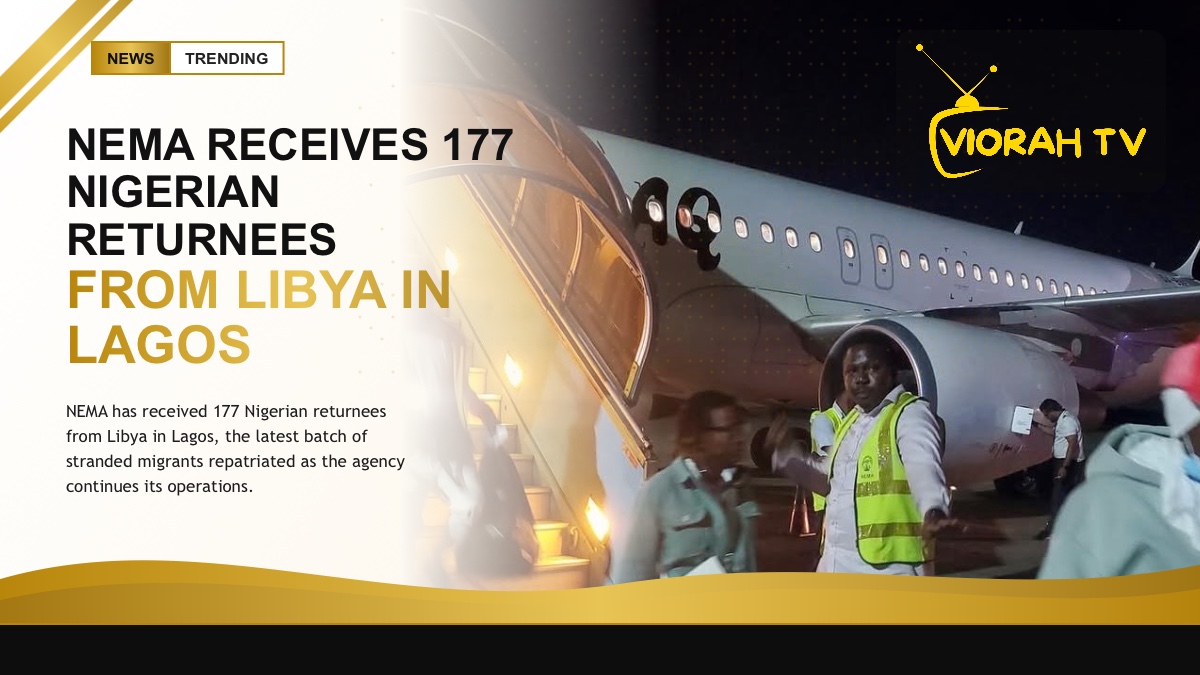
The return was coordinated with partner agencies and international organisations that help trace, document and fly home Nigerians stuck in difficult conditions abroad. It continues a steady stream of such operations in 2026.
Who the Nigerian returnees from Libya are
Most returnees are young men and women who left Nigeria in search of better opportunities and attempted the dangerous journey across the Sahara, often hoping to reach Europe. Many became trapped in Libya, where migrants have reported detention, forced labour, extortion and abuse. Among each batch are usually women and, at times, children and people needing medical care.
On arrival, officials carry out documentation, basic health checks and head counts before handing returnees over for further help. Vulnerable individuals are flagged for medical attention or counselling, while others receive transport support to reunite with their families across the country.
How the repatriation works
NEMA leads the reception of returnees in partnership with the National Commission for Refugees, Migrants and Internally Displaced Persons and international migration partners. The agencies arrange voluntary returns for Nigerians who wish to come home, organising flights, paperwork and reception logistics at the airport.
Beyond the welcome, the goal is reintegration. Returnees are encouraged to access skills training, small grants and counselling so they can rebuild their lives and resist the pull to attempt the perilous trip again. Officials repeatedly stress that no foreign promise is worth the risks of the desert and Mediterranean routes.
Why irregular migration persists
Economic pressure, unemployment and the lure of life abroad continue to drive many young Nigerians toward irregular migration. Smugglers exploit those hopes, charging huge sums for journeys that often end in danger rather than opportunity. Each wave of returnees underlines the human cost of the trade in desperate travellers.
Campaigners say the answer lies in expanding legal pathways, creating jobs at home and intensifying public awareness about the dangers. They also call for stronger action against trafficking networks that profit from the misery of stranded migrants.
What returnees face on coming home
Coming home can be bittersweet. Many returnees arrive with little more than the clothes they wear, carrying trauma from months or years of hardship. Support programmes aim to cushion that shock, but advocates argue that funding and follow-up must be sustained for reintegration to truly work.
For the families waiting in Nigeria, the reunions bring relief after long stretches of silence and worry. The latest arrivals add to thousands of Nigerians who have been brought back from Libya in recent years.
Officials at the reception also reminded returnees that help does not end at the airport. They are pointed toward agencies and partners that offer counselling, vocational training and small start-up support, designed to give them a fresh footing back home.
NEMA says it remains committed to receiving and supporting citizens who choose to return, while urging young people to think carefully before placing their lives in the hands of smugglers.

