Table of Contents
Petrol pump prices have stayed largely unchanged across Nigeria despite a sharp fall in global crude oil and a lower gantry rate at the Dangote refinery, leaving many motorists frustrated and analysts watching for relief.
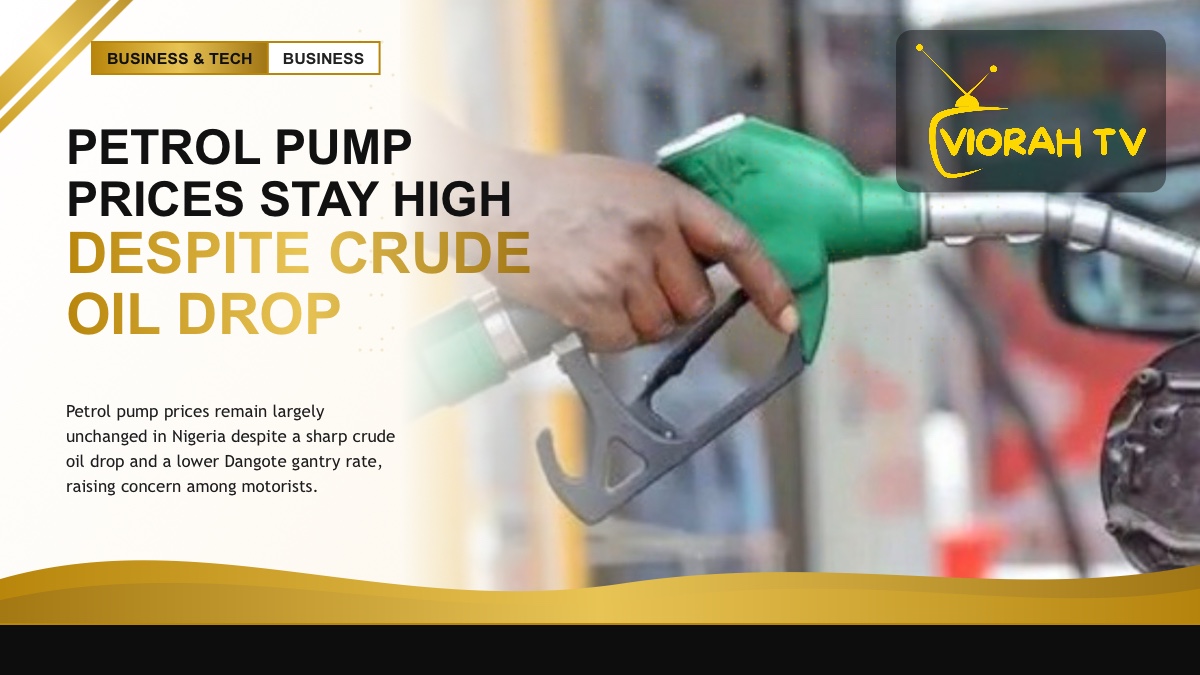
Why petrol pump prices are not falling yet
Most filling stations have yet to pass on recent declines in crude prices and a reduced ex-gantry rate at the country’s largest refinery. In Abuja, pump rates across several brands have held within a relatively stable range even as benchmark oil prices slid.
The Dangote refinery cut its gantry petrol price after crude fell, yet retail prices at many outlets have remained close to previous levels. The gap between wholesale and pump prices has fuelled concern among consumers.
The crude oil context
Global crude blends such as Brent and West Texas Intermediate have dropped notably from earlier highs, easing input costs for fuel. Lower crude typically points toward cheaper petrol over time, though the pass-through to pumps can lag.
Reports indicate that the landing cost of imported petrol has also fallen, in some cases below the refinery’s quoted ex-gantry price. That dynamic adds to expectations that pump prices should eventually ease.
What motorists can expect
Some station operators have signalled plans to reduce retail prices in the days ahead, suggesting that a downward adjustment may be on the way. Whether and how quickly that happens will vary by location and brand.
For households and businesses, fuel costs feed directly into transport, logistics and the price of everyday goods. Any sustained reduction at the pump would offer welcome relief amid broader cost-of-living pressures.
Concerns over purchasing power
There is heightened anxiety among Nigerians about how fuel costs affect their purchasing power and the wider inflation picture. Energy prices are a major driver of inflation, so movements at the pump carry significant weight for the economy.
Consumer advocates have urged transparency in how pump prices respond to changes in crude and refinery rates, arguing that motorists should benefit when input costs fall, not just bear the burden when they rise.
The bigger picture
Nigeria’s fuel market has undergone significant change in recent years, with the rise of domestic refining reshaping supply. How prices respond to global swings will be an important test of how competitive and responsive the market has become.
Calls for faster pass-through
Consumer groups have urged a quicker reflection of falling costs at the pump, arguing that motorists should not have to wait while wholesale prices ease. Transparency in pricing, they say, would build trust between operators and the public.
Marketers, for their part, point to factors such as existing stock bought at higher prices, distribution costs and exchange-rate considerations that can delay reductions. Balancing these realities with consumer expectations remains a recurring challenge.
Either way, the coming days should reveal whether the recent declines in crude and refinery rates finally reach drivers at the pump.
For now, motorists are watching closely, hopeful that lower crude and a reduced gantry rate will soon translate into savings at the pump. Viorah TV will track the trend and report verified updates as prices move.

