Table of Contents
The Wole Soyinka Theatre at the University of Ibadan keeps producing Nigerian talent seven decades after it first opened. Named after the Nobel laureate who once studied there, the stage remains one of the country’s most important training grounds for performers.
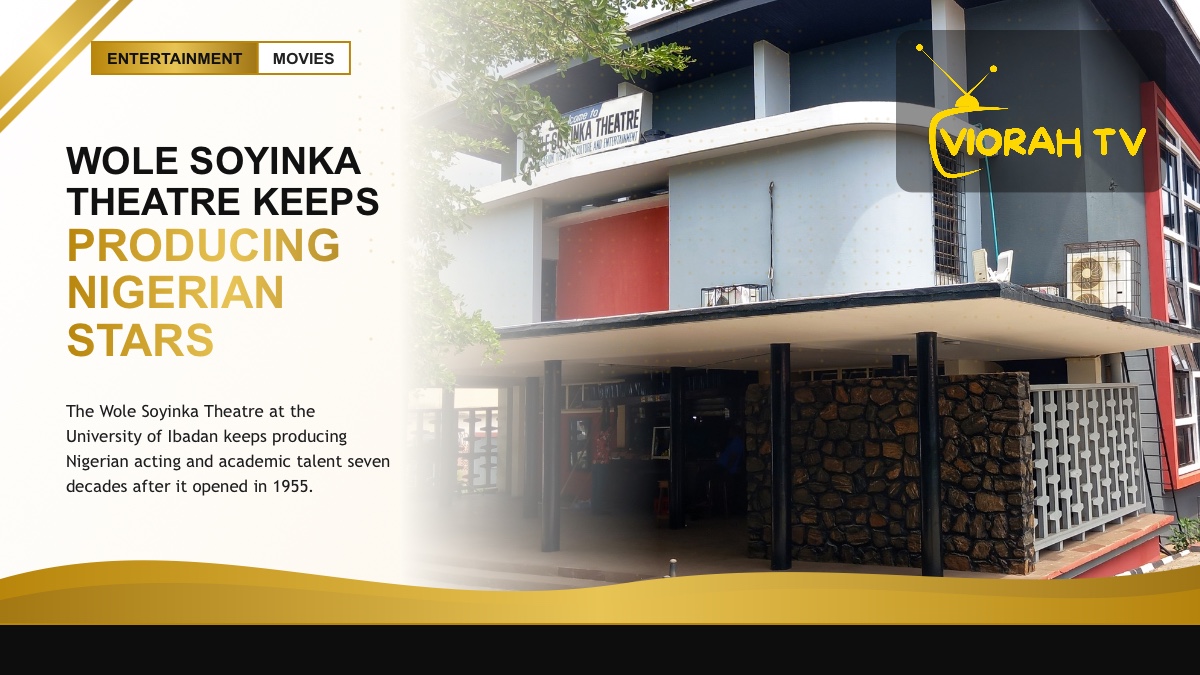
The Gist
- Wole Soyinka Theatre still trains Nigerian talent
- Located at the University of Ibadan
- Open seven decades since 1955
It still draws audiences from across Nigeria and the wider continent. For many actors and scholars, the journey began on its boards.
The Wole Soyinka Theatre’s deep roots
The theatre traces its history to 1955, making it older than Nigeria’s independence. It carries the name of Wole Soyinka, the first African to win the Nobel Prize in Literature and a former Ibadan student.
Over the years it has served as a proving ground for performers. Generations of students have learned their craft on its stage before stepping into wider careers.
Alumni who shaped the industry
The Ibadan stage has nurtured some of Nigeria’s most respected names. They include the late playwright and actor Akinwumi Isola, actress Martha Ehinome and actor Gabriel Afolayan.
Its influence reaches beyond performance. The university’s theatre arts department has produced actors and academics who went on to build drama programmes in universities across the country.
That ripple effect means the Ibadan tradition lives on in classrooms far from its own stage.
Feeding Nollywood
Ibadan-trained talent has long spilled into Nigeria’s film industry. Nollywood is one of the busiest in the world, reportedly turning out around 200 films a month.
Stage training gives actors discipline and range that translate to screen work. For many, the theatre is the bridge between formal study and commercial success.
The result is a steady pipeline of performers moving from campus productions to national and international audiences.
Some alumni return to teach, closing the loop between training and practice. That cycle keeps standards high and traditions alive.
More than acting
The theatre’s reach extends beyond performance. Its graduates include directors, playwrights, lecturers and producers who work behind the scenes across the industry.
Training there blends practical stagecraft with academic study of African drama. Students learn the history of the form alongside the skills to perform it.
That mix has helped the institution stay relevant as tastes and technology change. It produces artists who can adapt to stage, screen and streaming alike.
Why it still matters
As Afrobeats and Nollywood push Nigerian culture onto the global stage, the foundations built in places like Ibadan are easy to overlook. Yet they remain vital.
Live theatre teaches storytelling, voice and presence in ways that screens cannot replace. It also preserves indigenous languages and stories that might otherwise fade.
Seven decades on, the Wole Soyinka Theatre is both a monument and a working factory. It honours the past while shaping the performers who will define Nigeria’s creative future.
Its enduring relevance also offers a lesson for the wider creative sector. Investment in training, not just talent, is what keeps a national industry supplied with skilled hands.
For students walking onto its stage today, the message is clear: they are stepping into a long line of artists who started exactly where they now stand.
Source: University of Ibadan