Table of Contents
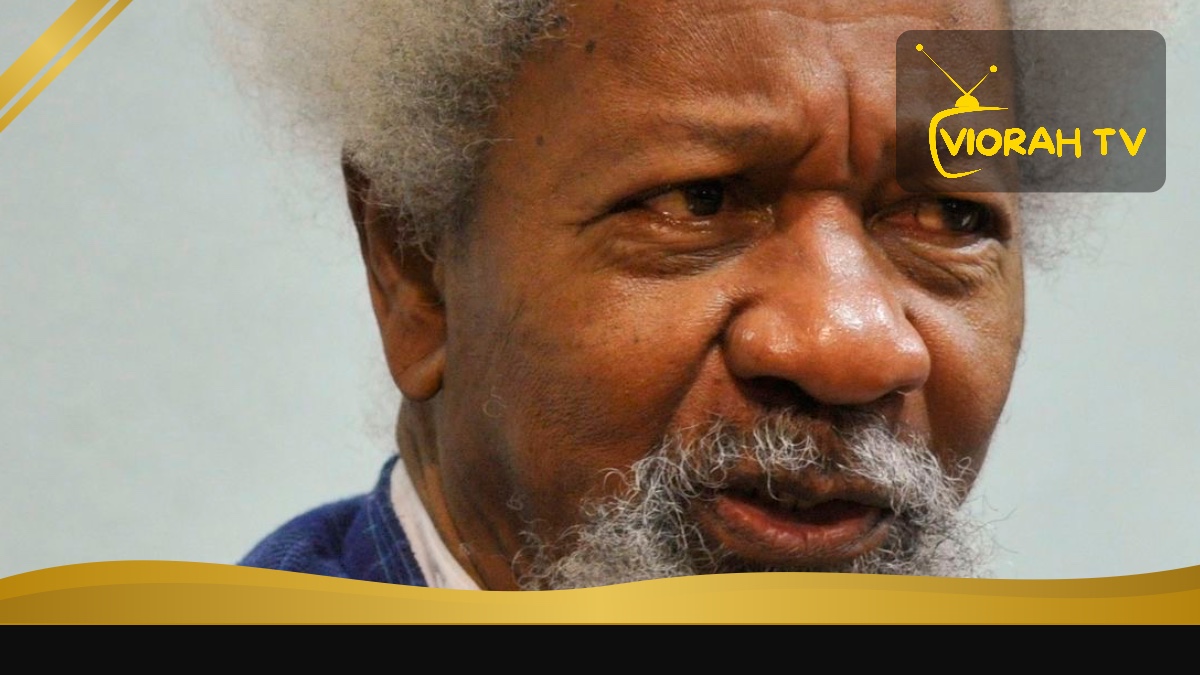
Wole Soyinka is a Nigerian playwright, poet and essayist best known for plays such as Death and the King’s Horseman and for becoming the first African to win the Nobel Prize in Literature, awarded in 1986. Across more than six decades he has shaped African drama, defended free expression and used his pen against tyranny.
Key Facts
- First African to win the Nobel Prize in Literature (1986).
- Born 13 July 1934 in Abeokuta, in present-day Ogun State, Nigeria.
- Author of landmark plays including Death and the King’s Horseman and The Lion and the Jewel.
- Imprisoned for about 22 months during the Nigerian Civil War for his anti-war stance.
| Profile Snapshot | |
|---|---|
| Full Name | Akinwande Oluwole Babatunde Soyinka |
| Date of Birth | 1934-07-13 |
| Age | 91 |
| Place of Birth | Abeokuta, Nigeria |
| Nationality | 🇳🇬 Nigerian |
| Occupation | Playwright, poet, essayist, professor |
| Education | Government College Ibadan; University College Ibadan; University of Leeds |
| Notable Works | Death and the King’s Horseman, The Lion and the Jewel, A Dance of the Forests, Aké, The Man Died, Chronicles from the Land of the Happiest People on Earth |
| Major Awards | Nobel Prize in Literature (1986) |
| Net Worth | estimated $5 million–$20 million (as of 2026, reported) |
Early Life and Education of Wole Soyinka
Wole Soyinka was born on 13 July 1934 in Abeokuta, in what is now Ogun State, Nigeria. He grew up in a Yoruba family within a Christian, mission-influenced household, an upbringing he later recalled vividly in his memoir Aké: The Years of Childhood.
He attended Government College, Ibadan, then studied at University College Ibadan before moving to England. There he completed his degree in English literature at the University of Leeds, where his early interest in drama and ideas began to crystallise.
After Leeds, he worked in London theatre, including a period linked to the Royal Court Theatre, absorbing techniques he would later fuse with Yoruba ritual, myth and music when he returned home.
Literary Career and Major Plays
Soyinka returned to Nigeria around the country’s independence era and quickly became a central figure in its emerging theatre. Early plays such as The Swamp Dwellers and The Lion and the Jewel announced a bold, satirical voice rooted in African tradition yet modern in form.
His writing spans drama, poetry, fiction and essays. A Dance of the Forests, staged around Nigeria’s 1960 independence, questioned easy celebration. Later, Death and the King’s Horseman became one of his most studied works, a tragedy drawn from a real colonial-era event.
Beyond the stage he published novels including The Interpreters and Season of Anomy, and in 2021 returned to fiction with the sweeping satire Chronicles from the Land of the Happiest People on Earth. His prison memoir, The Man Died, remains a defining record of his detention.
Wole Soyinka and the Nobel Prize
In 1986, Wole Soyinka was awarded the Nobel Prize in Literature, becoming the first African writer to receive the honour. The Swedish Academy praised work that, in a wide cultural perspective and with poetic overtones, fashions the drama of existence.
The prize lifted not only his profile but the global standing of African literature, opening doors for writers across the continent and placing Nigerian storytelling firmly on the world stage.
Global Recognition and Academic Life
Soyinka has taught and lectured at universities in Nigeria, Britain and the United States, including long associations with institutions in the African diaspora. He has held fellowships and honorary degrees, and his work appears on syllabuses worldwide.
His essays and public lectures on culture, memory and power have made him a sought-after voice well beyond literary circles, blending scholarship with sharp commentary.

Wole Soyinka’s Activism and Political Life
Wole Soyinka has long paired art with activism. During the Nigerian Civil War in the late 1960s he was detained for roughly 22 months, much of it in solitary confinement, after seeking to broker peace and opposing the conflict.
He continued to challenge military rule in the decades that followed. Under the regime of General Sani Abacha in the 1990s he fled into exile and was later charged with treason in absentia, returning only after the dictatorship ended.
Throughout, he has championed civil liberties, democratic accountability and free expression, becoming one of Africa’s most recognisable public intellectuals.
Personal Life
Soyinka has married more than once and is the father of several children. While he guards much of his private life, his memoirs offer some of the clearest windows into his family, faith and formative experiences.
Now in his nineties, he continues to write, speak and mentor, dividing his time between Nigeria and engagements abroad.
Wole Soyinka turned the playwright’s craft into an act of conscience, proving a Nigerian voice could command the world’s attention.
— Viorah TV
Controversies
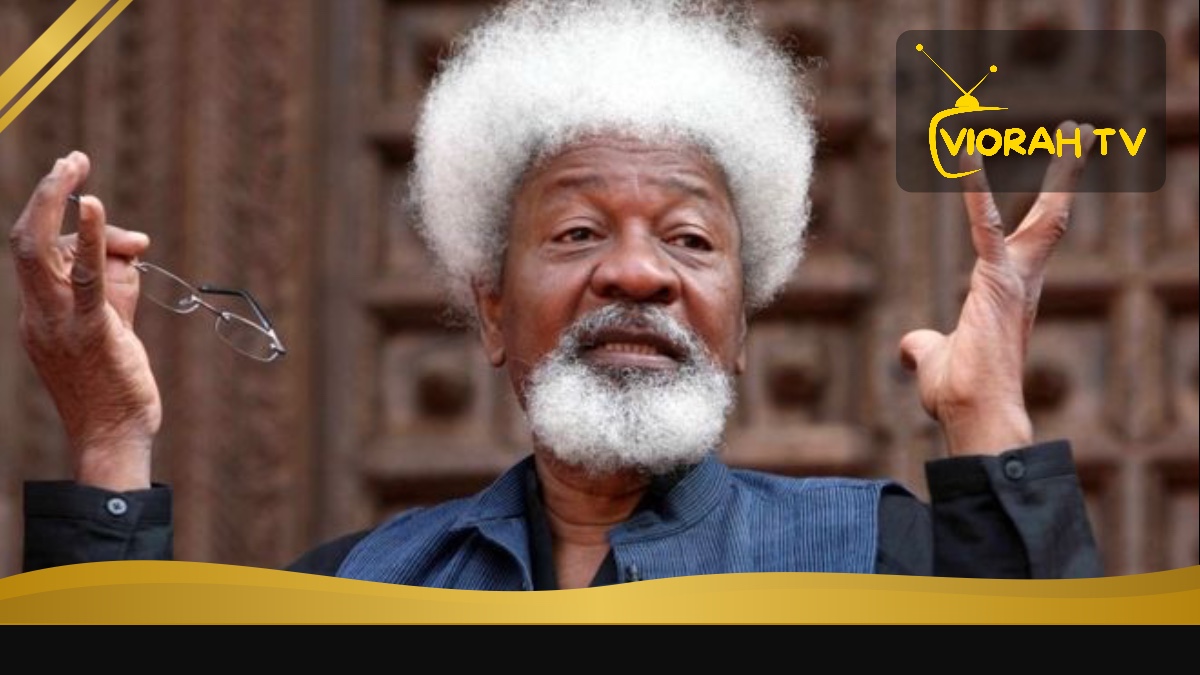
As an outspoken figure, Wole Soyinka has often drawn debate. He has clashed repeatedly with Nigerian governments over the years, and his blunt criticism of leaders has at times divided public opinion at home.
In 2016, he publicly said he had rendered his United States green card inoperable in protest after Donald Trump’s election victory, a move he framed as a stand against rhetoric he found divisive. The episode, which he discussed in interviews and public talks, generated wide commentary on both sides. Viorah TV reports these matters as a record of public statements and takes no position on them.
Frequently Asked Questions
Who is Wole Soyinka?
He is a Nigerian playwright, poet and essayist, and the first African to win the Nobel Prize in Literature, awarded in 1986.
When and where was Wole Soyinka born?
He was born on 13 July 1934 in Abeokuta, in present-day Ogun State, Nigeria.
What are Wole Soyinka’s most famous works?
They include the plays Death and the King’s Horseman and The Lion and the Jewel, and the memoirs Aké and The Man Died.
What is Wole Soyinka’s net worth?
His net worth is estimated at $5 million–$20 million (as of 2026, reported), based on published estimates that vary widely.
Why did Wole Soyinka win the Nobel Prize?
He won the 1986 Nobel Prize in Literature for work that, with poetic overtones, fashions the drama of existence, becoming the first African laureate.
Conclusion
Wole Soyinka stands among the most influential writers Africa has produced. Through pioneering plays, fearless activism and a Nobel Prize that opened the world to African letters, he has secured a legacy that reaches far beyond Nigeria’s borders and continues to inspire new generations of writers and citizens.