Table of Contents
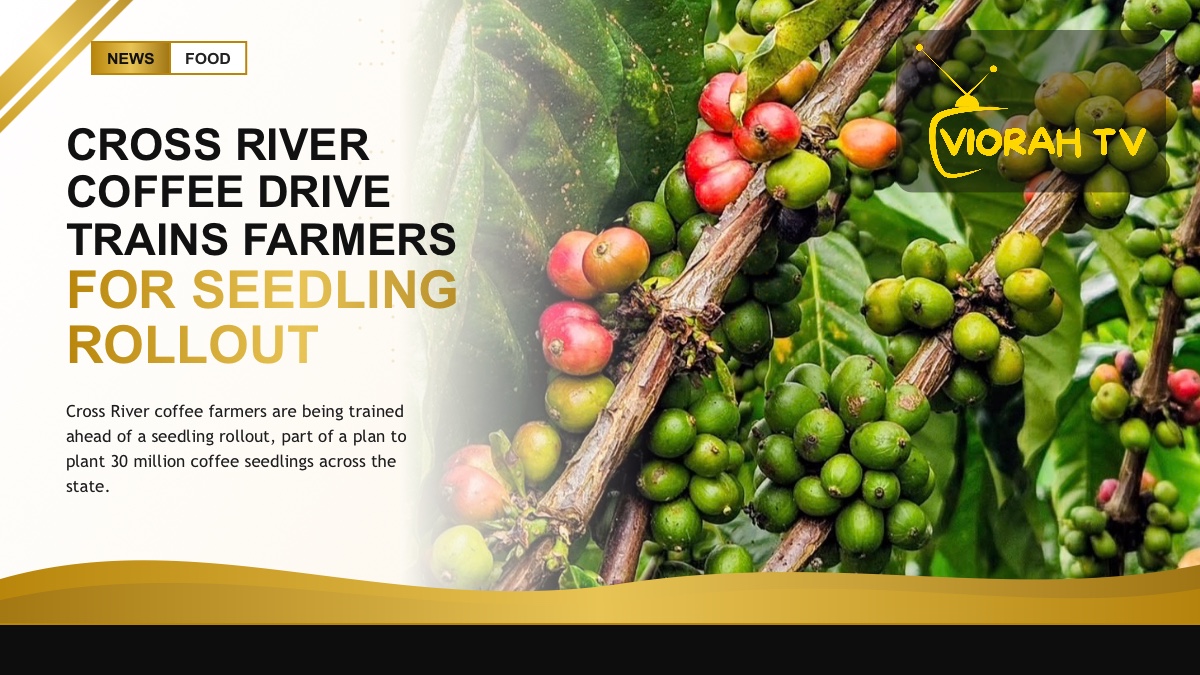
Cross River coffee farmers are being trained ahead of a fresh seedling distribution, as the state pushes a plan to revive Nigeria’s long-neglected coffee industry. The drive aims to put high-quality plants in the hands of thousands of growers across all 18 local government areas.
Inside the Cross River Coffee Plan
The programme is built on a partnership between the Cross River State government and JR Farms, which together aim to cultivate around 30 million Robusta and Arabica coffee seedlings. The plants are being matched to areas based on ecological suitability so that each crop has the best chance of thriving.
The state’s Ministry of Agriculture and Irrigation Development is offering the seedlings at a heavily subsidised rate of about N300 each to existing and prospective farmers. Distribution runs on a first-come, first-served basis, and farmers who complete clearance must present an “Authority to Collect” slip before taking delivery.
Training Comes First
Before the plants go out, officials are prioritising farmer training so that growers know how to nurse, plant and maintain the crop. A separate intervention, Project Grow, has already trained thousands of farmers in the state and is linked to a multi-billion-naira offtake arrangement that guarantees a market for what they produce.
That focus on skills matters because coffee is a long-term crop that rewards good husbandry. Properly tended trees can produce for decades, so early training on spacing, shade, pruning and pest control can decide whether the investment pays off for a household.
Reviving a Lost Crop
Nigeria was once a notable coffee grower, but decades of neglect saw production collapse as farmers switched to other crops and ageing trees went untended. Today the country imports far more coffee than it exports, even as a young, urban café culture drives demand for locally roasted beans in cities like Lagos, Abuja and Calabar.
By combining subsidised seedlings, structured training and a guaranteed buyer, Cross River is trying to break that cycle. Officials argue that a revived value chain could keep more money inside the state, support processing and roasting businesses, and give farmers a crop that holds its value on the world market.
Why the Cross River Coffee Revival Matters
Reviving production could diversify farm incomes, create rural jobs and reduce reliance on a narrow range of cash crops. Supporters of the scheme say a strong domestic coffee sector could feed Nigeria’s growing café culture and open export opportunities as global demand stays high. With an offtake deal already in place, farmers have a clearer path from planting to payment than many agricultural ventures offer.
What Farmers Should Expect
Authorities have urged interested growers to register early, complete the clearance process and collect their allocation promptly once distribution opens in their council area. They have also encouraged farmers to apply the lessons from training sessions to protect the young plants through their first vulnerable months. Extension officers are expected to follow up with farmers in the field, offering advice on watering, spacing and pest control as the trees mature. If the rollout meets its targets, Cross River could become a flagship for agricultural revival in southern Nigeria, showing how state partnerships with private firms can rebuild a crop that had almost disappeared from the country’s farms.

