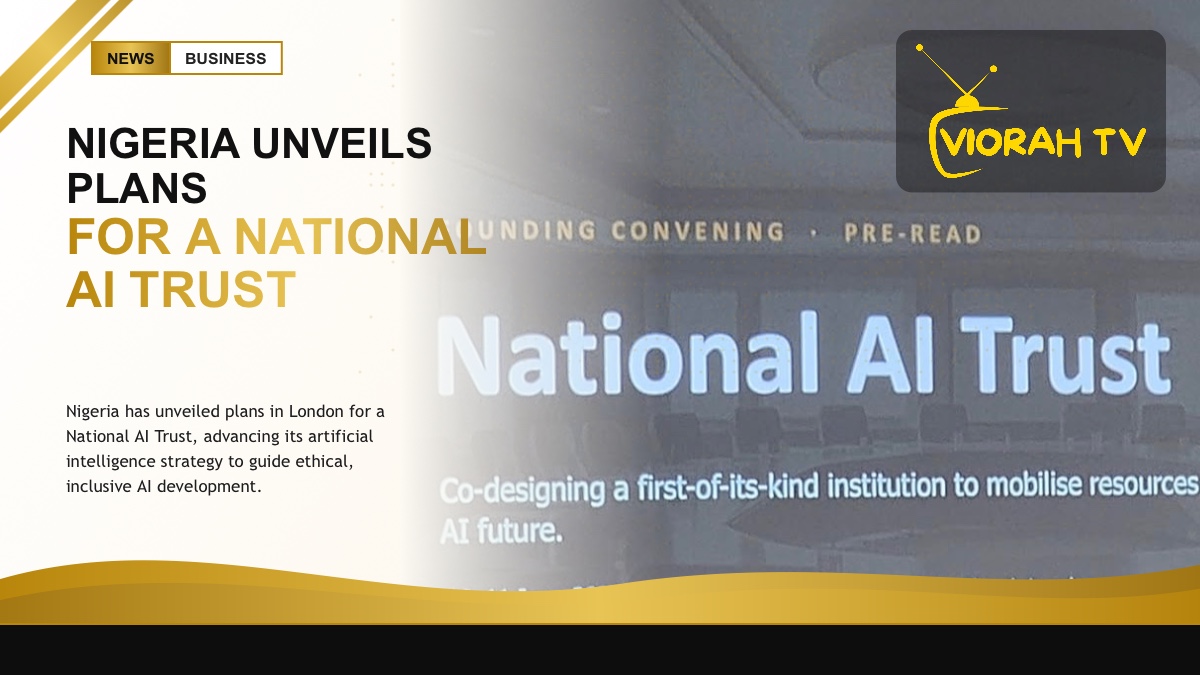
Nigeria has unveiled plans for a National AI Trust, presenting the initiative in London as part of a wider drive to shape how the country develops and governs artificial intelligence. The move signals Nigeria’s intent to put structures around AI, aiming to guide the technology toward ethical and inclusive use rather than leaving its growth to chance.
What the National AI Trust aims to do
While full details are still emerging, the National AI Trust is framed as a mechanism to coordinate trust, governance and responsible development in artificial intelligence. The concept fits a global trend of governments seeking ways to manage AI’s risks while capturing its benefits. For Nigeria, the goal is to ensure that AI tools are developed and deployed in ways that reflect local needs, values and priorities.
Built on a national strategy
The plan sits within Nigeria’s National Artificial Intelligence Strategy, published in 2025 and led by the Federal Ministry of Communications, Innovation and Digital Economy, with the National Information Technology Development Agency as a key implementing body. The strategy sets out a multi-year vision to position Nigeria as a leader in ethical and inclusive AI, built through a process that drew on experts, public feedback and structured workshops.
Why announce it abroad
Choosing London as the stage reflects an effort to engage international partners, investors and experts as Nigeria builds its AI agenda. Global gatherings offer a chance to attract collaboration and signal ambition on the world stage. For a country with a large, young and increasingly connected population, showcasing AI plans internationally can help draw the funding and expertise needed to turn strategy into working systems at home.
What it could mean for Nigerians
If implemented well, a trusted national framework for AI could help Nigeria apply the technology to challenges in health, agriculture, education and public services, while guarding against misuse. It could also support local startups and researchers working in the field. The real test will be moving from announcements to concrete institutions, funding and rules that ordinary citizens and businesses can actually feel in practice.
Nigeria’s place in the global AI race
Countries around the world are racing to set rules and build capacity for artificial intelligence, wary of being left behind as the technology reshapes economies. Nigeria’s moves signal a desire to be an active shaper of that future rather than a passive consumer of tools built elsewhere. With Africa’s largest population and a fast-growing tech scene, the country has both the talent base and the stakes to justify a serious AI agenda. The challenge will be matching ambition with investment, skilled people and reliable infrastructure, the foundations that ultimately decide whether a national AI vision delivers real results.
The National AI Trust marks another step in Nigeria’s push to take AI governance seriously. Delivery, funding and clear rules will determine its impact. Viorah TV will keep tracking how the plan develops and what it means for the country’s digital future. For now, the announcement sets a direction, and the months ahead will reveal how much of the ambition becomes reality on the ground.

