Table of Contents
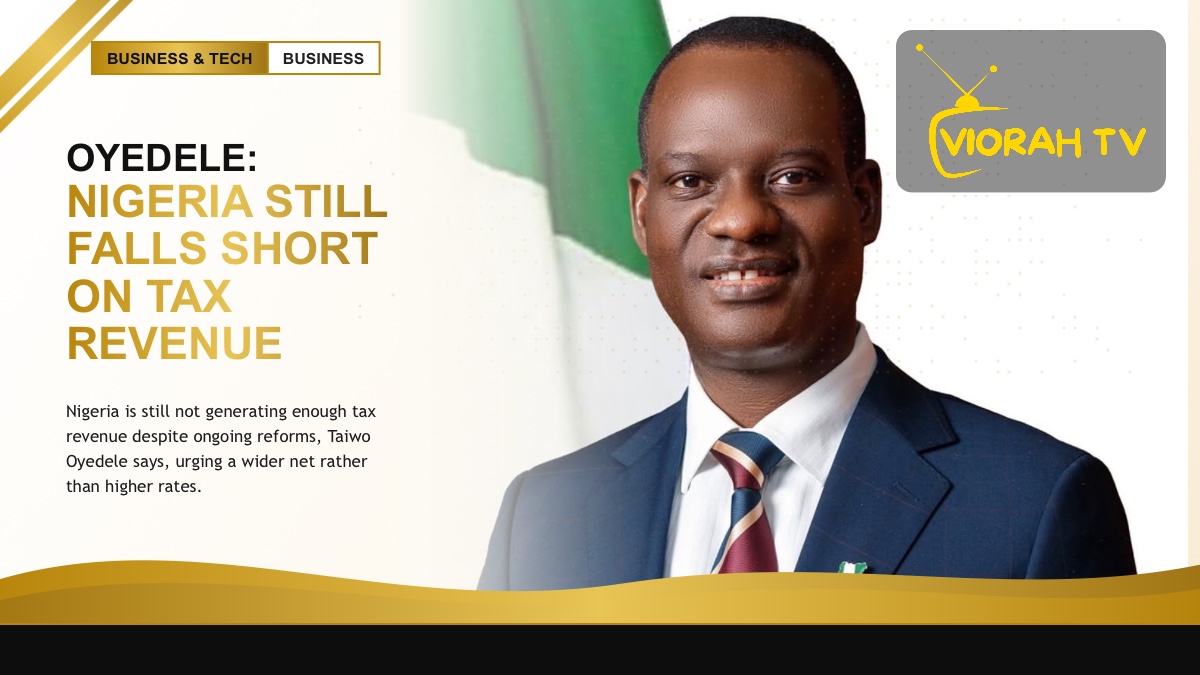
Nigeria is still not generating enough tax revenue despite ongoing reforms, according to Taiwo Oyedele, who leads the country’s fiscal policy and tax reform drive.
The Gist
- Nigeria still under-collecting on tax revenue
- Oyedele urges wider net not higher rates
- Reforms yet to lift collections enough
He said the problem is not high rates. The real gap, he argued, is the large number of people and businesses that should pay but do not.
Why tax revenue remains low
Oyedele said many eligible taxpayers are still outside the system. That leaves government leaning more heavily on borrowing to fund its plans.
His message was direct. The country is not yet getting enough from tax, he said, and the answer is to make sure those who should pay actually do.
He stressed that the goal is not to raise the burden on those already compliant. Instead, the focus is on widening the net in a fair and transparent way.
More taxpayers, not higher taxes
The reform team has repeated this theme often. Bringing more activity into the formal system, it argues, can lift collections without punishing honest payers.
A broader base would also ease pressure on debt. Stronger domestic revenue gives the government more room to fund services and infrastructure.
Officials say fairness is central to the plan. A system seen as even-handed is more likely to win voluntary compliance from citizens and firms.
What the reforms aim to do
The wider tax overhaul seeks to simplify rules and reduce the number of overlapping levies. The idea is to make paying easier and cheaper to administer.
Awareness campaigns are part of the push. Revenue and professional bodies have been encouraging Nigerians to register and file correctly.
Supporters say a simpler, clearer system reduces excuses for evasion. Critics, however, want assurances that the changes will not squeeze struggling households.
Why it matters
Tax revenue funds roads, schools, hospitals and security. When collections fall short, those services compete for scarce naira.
A wider, fairer base could reduce reliance on oil income and loans. That shift is seen as vital for long-term stability.
The road ahead
Turning words into revenue will take time and trust. Citizens are more willing to pay when they see services improve in return.
Technology is expected to help. Digital tools can make registration, filing and tracking easier for both taxpayers and collectors.
The reform team has framed this as a multi-year project. Quick wins are possible, but a wider base is built gradually, not overnight.
For ordinary Nigerians, the promise is fairness. The pitch is that more payers, not heavier charges, will carry the load in future.
Nigeria’s tax-to-GDP ratio has long trailed peers. Closing that gap is seen as essential for funding development without piling on debt.
The reform team argues that fairness and simplicity will do more than higher rates. Easier rules, it says, encourage people to comply.
How the changes land in practice will matter most. Households and small businesses will judge the reforms by what they actually pay.
For now, the message from the reform team is steady. Nigeria has the people and the businesses to raise more; the task is getting them into the net.
Source: Presidential Committee on Fiscal Policy and Tax Reforms